


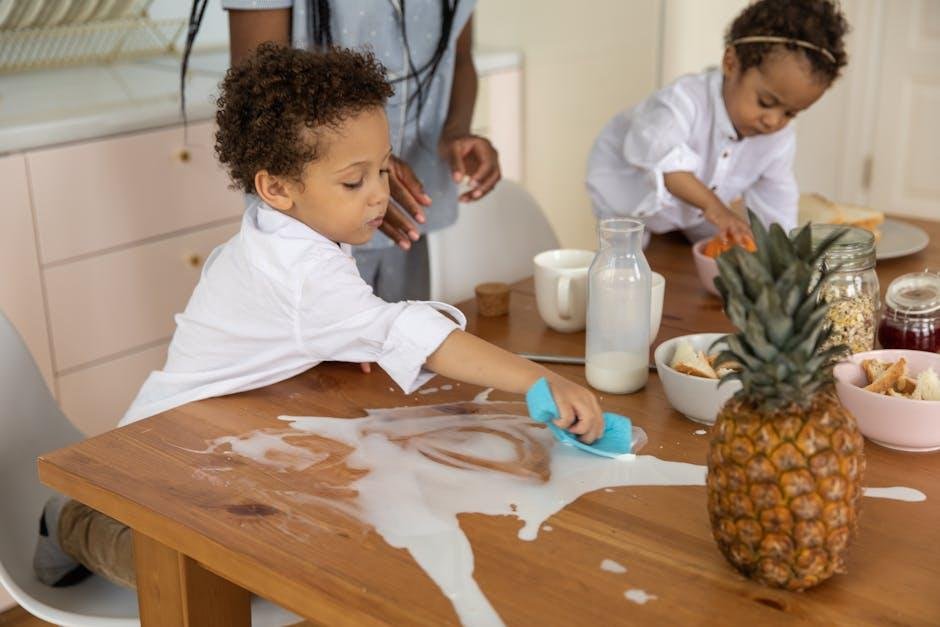
In a world that often feels fast-paced and disconnected, nurturing empathy and kindness in children has never been more important. These gentle qualities form the foundation of meaningful relationships and contribute to a more compassionate society. As parents, caregivers, and educators, we hold a special responsibility—and a beautiful opportunity—to guide little hearts toward understanding, kindness, and care for others. This gentle guide explores simple, heartfelt ways to help children develop empathy and kindness, nurturing their emotional growth one loving step at a time.
Table of Contents
- Understanding the Roots of Empathy in Childhood Development
- Creating Everyday Opportunities to Practice Kindness
- Encouraging Emotional Expression and Active Listening at Home
- Mindful Parenting Techniques That Foster Compassion and Respect
- Wrapping Up
Understanding the Roots of Empathy in Childhood Development
Empathy is a foundational skill that begins to take root early in childhood, shaping how children perceive and interact with the world around them. From the earliest moments, infants demonstrate the capacity for emotional connection through mirroring expressions and responding to caregivers’ voices. This natural responsiveness evolves as toddlers start recognizing their own feelings and gradually extend that awareness to others. Key experiences such as shared play, consistent nurturing, and the modeling of compassionate behavior by adults create a rich environment where empathy can flourish. It is within these tender, everyday moments that children learn to identify emotions not only in themselves but also in their peers, setting the stage for deeper social understanding.
Supporting children in this developmental journey involves more than just teaching kind words; it requires intentional and sensitive guidance. Encouraging children to pause and ask themselves questions like “How might my friend feel?” or “What can I do to help?” nurtures critical reflection and emotional intelligence. Incorporate activities that emphasize perspective-taking, such as storytelling or role-playing, which open pathways to experiencing different viewpoints. Remember, empathy blossoms best when children feel safe and heard, so fostering open communication and validating their feelings is essential. By weaving these practices into daily life, adults empower children to grow into compassionate individuals who value kindness as much as themselves.
- Respond thoughtfully: Recognize and reflect children’s feelings to show understanding.
- Model empathy: Demonstrate caring actions in your own interactions.
- Encourage perspective-taking: Use stories and play to explore others’ experiences.
- Create safe spaces: Foster environments where emotional expression is welcomed.
Creating Everyday Opportunities to Practice Kindness
Small, daily interactions offer perfect moments to cultivate a child’s natural empathy. Encourage simple acts like holding the door for someone, sharing toys, or offering a sincere compliment. These gentle lessons teach more than kindness—they build confidence and social awareness. Creating a storytelling routine where your child imagines how others might feel in different situations can also deepen their emotional understanding and inspire thoughtful behavior.
Consider integrating kindness into your family’s rhythm with playful, intentional prompts that make compassion a habit. For example, you might try:
- Kindness jars: Fill a jar with slips of paper suggesting kind actions your child can choose daily.
- Gratitude circles: Share moments of appreciation during mealtime to foster mutual respect and warmth.
- Community care projects: Engage together in simple volunteer activities, showing empathy in action.
By embedding kindness into everyday life, you nurture your child’s heart, encouraging them to become thoughtful individuals who naturally spread warmth wherever they go.
Encouraging Emotional Expression and Active Listening at Home
Creating a safe and supportive space at home where children feel free to share their feelings is the cornerstone of nurturing empathy. Encourage open conversations by asking thoughtful questions like, “How did that make you feel?” or “Can you tell me more about what happened?” Validate their emotions without judgment to let them know that all feelings are important and worthy of attention. This simple act teaches children that emotional expression is not only acceptable but also a powerful way to connect with others.
Active listening is equally vital in modeling empathy and kindness. When a child speaks, show you are fully present by:
- Maintaining eye contact
- Giving verbal affirmations like “I understand” or “That sounds tough.”
- Reflecting back what you hear to confirm understanding
These practices encourage children to listen deeply themselves, fostering an environment of mutual respect and compassion that carries beyond the home into their interactions with peers and community.
Mindful Parenting Techniques That Foster Compassion and Respect
At the heart of fostering compassion lies the art of active listening. When children feel genuinely heard, their emotional world opens up, allowing empathy to take root deeply. This means putting away distractions, kneeling to their eye level, and reflecting back what they express—not just their words, but the emotions underneath. Encouraging children to verbalize their feelings in a non-judgmental environment strengthens their ability to recognize and respect others’ emotions. Simple phrases such as “I see you’re feeling upset, would you like to tell me more?” can create safe spaces where kindness thrives naturally.
Another powerful tool is modeling respectful behavior in everyday moments. Children absorb values through what they witness, so practicing patience, saying “please” and “thank you,” and resolving conflicts calmly become foundational lessons. Instilling routines that celebrate empathy—like sharing stories of kindness or engaging in family volunteer activities—reinforces these virtues beyond words. You might encourage your child to consider others by asking questions like:
- “How do you think that made your friend feel?”
- “What could we do to help someone having a tough day?”
- “Can you think of a kind gesture you can do today?”
Such gentle prompts nurture intentional kindness and respect, planting seeds that grow into lifelong compassion.
Wrapping Up
As we journey through the delicate process of nurturing empathy and kindness in our children, it’s important to remember that these qualities blossom best in environments filled with patience, understanding, and gentle guidance. By modeling compassion ourselves and creating spaces where children feel safe to express and explore their emotions, we plant the seeds for a more caring future. Every small act of kindness we encourage today can grow into a lifelong habit, shaping not just our children but the world they will one day lead. Let’s continue to nurture their hearts with love, knowing that the values we cultivate now will ripple outward in beautiful, lasting ways.
Related Products
-
Sale!
UpNature Peppermint Oil Roll On – 100% Natural Nau…
Mom Original price was: $12.99.$8.98Current price is: $8.98. -
Sale!
BONTEC Dual Monitor Stand Riser with Smartphone Ho…
Home Original price was: $31.99.$25.99Current price is: $25.99. -
Sol de Janeiro Brazilian Bum Bum Cream Visibly Fir…
Beauty $24.00


