


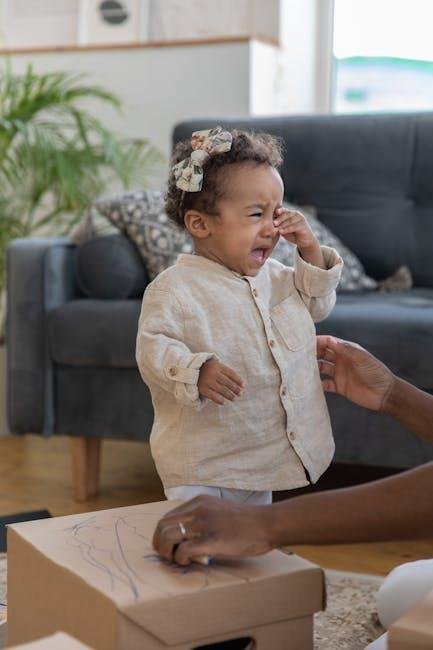
Toddlers are little bundles of joy, curiosity, and boundless energy—but they also come with their fair share of emotional storms. Tantrums can catch even the most patient parents off guard, turning peaceful moments into stressful battles. If you’ve ever found yourself feeling overwhelmed by your toddler’s outbursts, you’re not alone. The good news is that managing tantrums calmly is possible—and doing so can help both you and your child navigate these challenging moments with greater ease and understanding. In this article, we’ll explore gentle, stress-free strategies to handle toddler tantrums, so you can restore harmony without losing your calm.
Table of Contents
- Understanding the Root Causes of Toddler Tantrums to Respond with Compassion
- Creating a Soothing Environment to Help Your Toddler Feel Safe and Heard
- Gentle Techniques to Redirect Emotions and Promote Calm Behavior
- Building Consistent Routines That Support Emotional Regulation and Reduce Stress
- Future Outlook
Understanding the Root Causes of Toddler Tantrums to Respond with Compassion
When toddlers erupt in tantrums, it’s often a powerful expression of their unmet needs rather than just defiance or misbehavior. Their limited communication skills and overwhelming emotions can make even simple frustrations feel monumental. Recognizing that tantrums are a natural part of their development helps us approach these moments with empathy rather than frustration. Common triggers include:
- Feeling misunderstood: Toddlers struggle with vocabulary and often can’t articulate what they need or want.
- Sensory overload: Too much noise, bright lights, or even crowded spaces can easily overwhelm little ones.
- Exhaustion and hunger: Basic physical needs play a huge role in mood regulation.
- Seeking independence: The desire to assert control can clash with limits set by caregivers.
Understanding these root causes allows caregivers to respond thoughtfully instead of reacting out of stress. When we tune into the emotions beneath the tantrum, offering comfort and patience, we teach toddlers that their feelings are valid and manageable. This compassionate approach not only soothes the moment but also builds a foundation for emotional resilience and trust.
Creating a Soothing Environment to Help Your Toddler Feel Safe and Heard
When your little one is overwhelmed, their world can feel chaotic and confusing. Creating a space that radiates calm can make all the difference in helping them regain their sense of security. Consider soft lighting instead of harsh overhead lights, and introduce cozy textures like plush blankets or cushioned mats where they can retreat. The use of gentle colors such as pastel blues, greens, or creams can subconsciously signal tranquility, making your toddler more receptive to comfort and reassurance during moments of upset.
Listening is a powerful tool that goes beyond words. Showing your child that their feelings matter validates their experience and helps reduce frustration. Try these simple yet effective ways to foster connection:
- Maintain eye contact at their level, so they feel seen without feeling intimidated.
- Use calm, soothing tones to mirror their emotions and offer a sense of stability.
- Offer choices even in small matters, empowering them to have a voice during challenging moments.
- Validate their emotions with phrases like “I can see you’re upset” to show empathy.
These gentle practices build trust and help toddlers feel both safe and understood, laying a foundation for calmer, more cooperative interactions.
Gentle Techniques to Redirect Emotions and Promote Calm Behavior
When your little one’s emotions run high, it’s essential to meet their feelings with understanding rather than frustration. One soothing approach is to gently guide their attention towards a calming activity. For example, offer a soft toy or invite them to help with a simple task like sorting colorful blocks. This redirection not only distracts from the trigger but helps your child feel involved and valued, shifting their energy from chaos to calm. Remember, using a quiet, gentle voice and maintaining eye contact can reassure your toddler that they are safe and heard, fostering an environment where emotions can be navigated with ease.
Incorporating simple physical comfort can also work wonders. A gentle back rub or holding your child close can activate their sense of security and regulate overwhelming feelings. Consider these nurturing strategies:
- Deep breathing together: Encourage slow, exaggerated breaths to help regulate both your child’s and your own stress levels.
- Soft sensory toys: Something with a smooth texture or gentle sound provides tactile comfort.
- Quiet corner setup: Create a cozy nook with pillows and books where your toddler can retreat and self-soothe when upset.
This combination of empathy, redirected focus, and physical comfort empowers toddlers to regain control over their emotions while strengthening the parent-child bond built on trust and calmness.
Building Consistent Routines That Support Emotional Regulation and Reduce Stress
Establishing steady daily rhythms can dramatically ease the emotional upheaval toddlers experience. When children know what to expect throughout the day, their sense of security strengthens, which naturally lowers stress levels. Consider setting clear, predictable times for meals, naps, and play—this isn’t about rigidity but about creating a comforting framework. Incorporate simple rituals like a calming bedtime story or a morning cuddle, which serve as gentle signals to their little minds that transitions are smooth and safe. These moments of connection also teach toddlers how to self-soothe and recognize their feelings in a nurturing environment.
To support this consistency, here are a few gentle strategies to weave into your daily routine:
- Visual schedules: Use pictures or icons that illustrate the day’s flow, helping your toddler anticipate what’s next.
- Breathing breaks: Pause for deep breaths together during moments of rising tension, turning it into a shared calming tool.
- Predictable nap times: Consistent rest reduces irritability and primes your child for better emotional control.
- Flexible but firm boundaries: Having clear limits within a consistent routine creates a safe space for exploration without chaos.
Future Outlook
Managing toddler tantrums can feel overwhelming, but remember—it’s okay to take a deep breath and approach each moment with patience and kindness. These calm strategies aren’t about perfection; they’re about connection, understanding, and creating a safe space for your little one to learn and grow. Every tantrum is a stepping stone in your child’s emotional development, and with gentle guidance, you’re helping them build important skills that will last a lifetime. Keep trusting yourself, stay compassionate, and know that you’re doing an incredible job navigating this challenging, beautiful journey of parenthood.
Related Products
-
The Honey Pot Company – Herbal Postpartum Pads w/W…
Mom $8.88 -
Sale!
COOFANDY Men 2 Piece Linen Outfit Beach Button Dow…
Clothing Original price was: $54.99.$44.99Current price is: $44.99. -
Birthday Gifts for Women, Mom, Wife, Girlfriend, S…
Mom $25.99


