


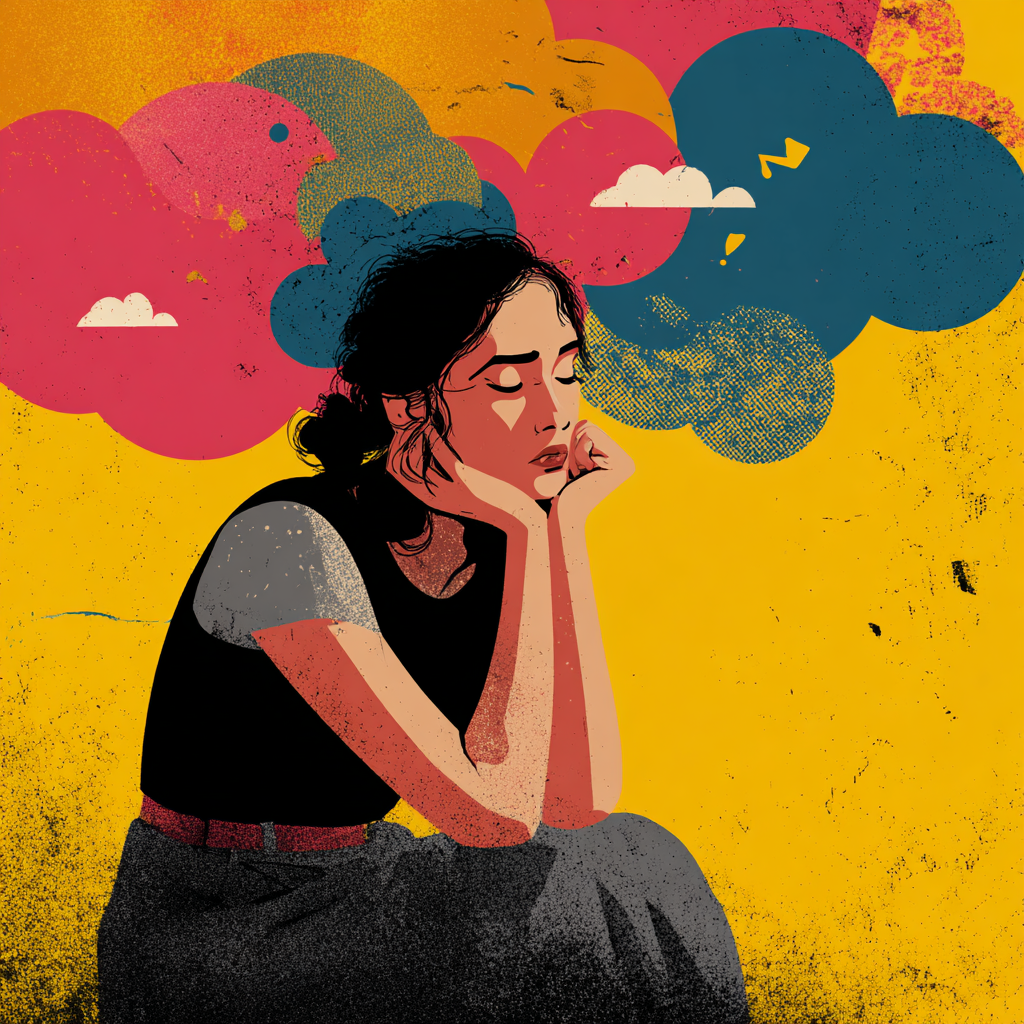
In today’s fast-paced world, stress has become an almost constant companion for many of us. While a little pressure can sometimes motivate, chronic stress—the kind that lingers day after day—can take a serious toll on our mental health. But here’s the good news: understanding how chronic stress affects our minds is the first step toward reclaiming our well-being. In this article, we’ll explore the powerful ways ongoing stress shapes our mental landscape and share practical, uplifting strategies to not just survive—but truly thrive. Ready to turn stress into strength? Let’s dive in!
Table of Contents
- Understanding the Impact of Chronic Stress on Your Brain and Mood
- Recognizing the Subtle Signs of Chronic Stress in Daily Life
- Effective Mindfulness and Relaxation Techniques to Reclaim Your Calm
- Building Resilience Through Lifestyle Changes and Positive Habits
- To Wrap It Up
Understanding the Impact of Chronic Stress on Your Brain and Mood
When chronic stress takes hold, it does more than just cloud your day-to-day mood—it triggers a cascade of changes deep within the brain. Prolonged exposure to stress hormones like cortisol can shrink critical regions such as the hippocampus, responsible for memory and emotional regulation. Simultaneously, the amygdala, the brain’s fear center, can become hyperactive, heightening anxiety and emotional reactivity. This physiological reshaping doesn’t just affect mental clarity but also disrupts the delicate balance of neurotransmitters, leading to persistent feelings of irritability, sadness, or overwhelm.
But there’s hope! Your brain is remarkably adaptable, ready to bounce back with intentional care. Embracing simple lifestyle adjustments can make a profound difference, including:
- Mindfulness practices: Cultivate calm and resilience by training your brain to stay present.
- Regular physical activity: Boost endorphins and support brain plasticity through movement.
- Consistent sleep routines: Foster restoration and emotional regulation by prioritizing quality rest.
- Social connections: Strengthen your support network to buffer against stress impact.
By viewing stress as a signal rather than a setback, you can harness the power of neuroplasticity and cultivate a mental environment ripe for growth and emotional well-being.
Recognizing the Subtle Signs of Chronic Stress in Daily Life
Often, the manifestations of chronic stress are tucked away beneath our daily routines, quietly altering the way we feel and function. You might notice yourself becoming unusually irritable or fatigued without any obvious cause. In some cases, persistent headaches, muscle tension, or digestive issues serve as the body’s way of signaling distress. These subtle indicators can easily be mistaken for mere busyness or lack of sleep, yet they accumulate, undermining overall well-being. Recognizing these signs early empowers you to take proactive steps before the stress escalates into more severe mental health challenges.
Keep an eye out for less obvious emotional shifts too. Difficulty concentrating, forgetfulness, or a general sense of overwhelm can gently creep into your daily experience, often dismissed as part of a hectic lifestyle. Additionally, you might find your motivation dipping or notice social withdrawal, which can further isolate you from valuable support systems. By observing these subtle changes, you can cultivate a greater awareness of your stress patterns and begin integrating mindful practices or small lifestyle adjustments to reclaim balance and resilience.
- Unexplained fatigue or irritability
- Physical discomforts like headaches or muscle tension
- Difficulty focusing or forgetfulness
- Feelings of overwhelm or decreased motivation
- Withdrawal from social interactions
Effective Mindfulness and Relaxation Techniques to Reclaim Your Calm
Finding moments of stillness in a hectic world is more than just a luxury; it’s a vital practice for nurturing mental resilience. Incorporating simple mindfulness and relaxation techniques into your daily routine can transform how your brain processes stress, helping you regain a sense of balance and emotional clarity. Practices such as deep breathing, body scanning, and guided imagery ignite your parasympathetic nervous system—the body’s natural calming response—allowing tension to gently dissolve and focus to sharpen. These methods don’t require extensive time commitments, making them accessible tools that blend seamlessly into even the busiest lifestyles.
- Mindful Breathing: Pause for a few minutes, inhaling deeply through your nose and exhaling slowly through your mouth, centering attention on the rhythm of your breath.
- Progressive Muscle Relaxation: Tense and then release muscle groups from head to toe, releasing physical tension that often accumulates unnoticed throughout the day.
- Nature Visualization: Close your eyes and picture a serene landscape, immersing yourself in its sights, sounds, and sensations to foster mental relaxation.
By consistently engaging in these proven techniques, you create a mental sanctuary where stress loses its grip, allowing your mind to reset and recharge. This intentional practice of pausing and tuning inward provides a powerful anchor during turbulent times, empowering you to respond to life’s challenges with renewed calmness and clarity.
Building Resilience Through Lifestyle Changes and Positive Habits
Resilience is not just an innate trait but a skill that can be cultivated over time by intentionally shaping daily routines and mindset shifts. Integrating positive habits—such as regular physical activity, mindful meditation, and consistent sleep patterns—can fortify the mind against the persistent winds of chronic stress. These lifestyle changes work synergistically to balance hormones, reduce inflammation, and enhance neuroplasticity, enabling the brain to recover and adapt more efficiently. Embracing small, manageable adjustments like starting the day with gratitude journaling or limiting screen time before bed can create a ripple effect, gradually transforming how stress impacts your mental landscape.
Strategies for nurturing resilience include:
- Prioritizing self-care: Making time for hobbies, relaxation, and social connection replenishes emotional reserves.
- Practicing mindfulness: Techniques such as deep breathing and guided visualization anchor you in the present and reduce anxiety.
- Maintaining a balanced diet: Nourishing your body with whole foods supports brain health and energy stability.
- Setting realistic goals: Breaking challenges into achievable steps fosters confidence and reduces overwhelm.
By weaving these positive habits into your lifestyle, you create a resilient foundation that not only buffers the effects of stress but also empowers you to thrive mentally and emotionally in the face of adversity.
To Wrap It Up
In the journey of life, chronic stress can sometimes feel like an unwelcome companion, quietly shaping our mental health in ways we might not immediately notice. But awareness is the first step toward change. By understanding how stress impacts our minds and embracing practical strategies to manage it, we open the door to resilience, growth, and well-being. Remember, thriving isn’t about eliminating stress completely—it’s about learning to navigate it with grace and strength. So take a deep breath, trust yourself, and know that every small step you take toward self-care brings you closer to a healthier, happier you. Here’s to embracing life’s challenges with hope and courage!
Related Products
-
The Honey Pot Company – Herbal Postpartum Pads w/W…
Mom $8.88 -
Sale!
COOFANDY Men 2 Piece Linen Outfit Beach Button Dow…
Clothing Original price was: $54.99.$44.99Current price is: $44.99. -
Birthday Gifts for Women, Mom, Wife, Girlfriend, S…
Mom $25.99


