



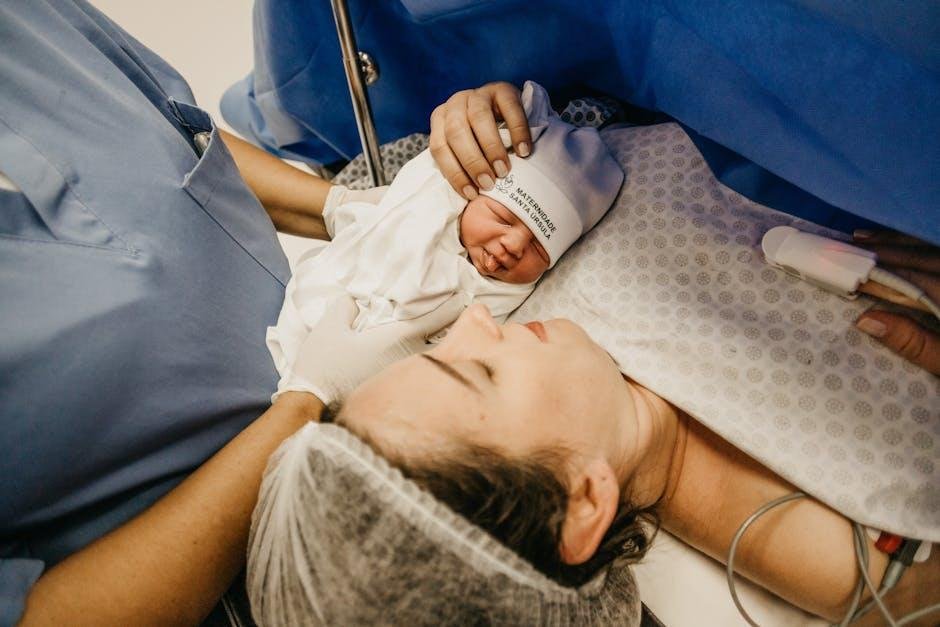
Bringing a new life into the world is one of the most beautiful experiences, but it can also come with unexpected challenges—like postpartum depression. If you’re feeling overwhelmed, anxious, or just not quite yourself after having a baby, you’re definitely not alone. This friendly guide is here to help you understand postpartum depression, navigate those tricky emotions, and find practical ways to care for yourself during this important time. Let’s walk this journey together, with kindness, hope, and plenty of support.
Table of Contents
- Understanding Postpartum Depression and Its Impact on New Moms
- Creating a Supportive Environment for Your Emotional Wellbeing
- Practical Self-Care Tips to Help You Navigate the Healing Process
- When and How to Seek Professional Help for Postpartum Depression
- To Wrap It Up
Understanding Postpartum Depression and Its Impact on New Moms
Bringing a new life into the world is an incredible experience, but it can also come with unexpected emotional challenges. Many new moms find themselves facing feelings of sadness, anxiety, or overwhelm—symptoms that can be part of a deeper condition known as postpartum depression. This isn’t just the “baby blues;” it’s a serious but treatable mood disorder that affects a significant number of women after childbirth. Understanding that these feelings are common and that you’re not alone can be the first crucial step toward healing.
Recognizing the signs early can make a huge difference. Some symptoms to watch out for include:
- Persistent sadness or low mood lasting longer than two weeks
- Loss of interest in activities you once enjoyed
- Difficulty bonding with your baby or feeling disconnected
- Excessive worrying or anxiety
- Changes in appetite or sleep patterns
Remember, postpartum depression can impact not just your emotional health but also your physical well-being and daily functioning. Seeking support from loved ones and professionals can provide relief and empower you to navigate motherhood with greater confidence and joy.
Creating a Supportive Environment for Your Emotional Wellbeing
Surrounding yourself with understanding and kindness sets the foundation for healing and growth during the postpartum months. This means building a circle of trust, whether it’s close family, friends, or support groups who empathize with what you’re experiencing. Communicating openly about your feelings — no matter how small or complex they may seem — allows others to offer help that truly resonates with your needs. Remember, you don’t have to face this alone; sometimes, simply having someone listen can lighten the emotional load tremendously.
Creating a calming, nurturing space at home is equally important. Consider adding small rituals that promote self-care and emotional balance, such as soft lighting, soothing scents like lavender, or a cozy corner where you can unwind and reflect. Utilizing tools like gentle music playlists, guided meditation apps, or journaling can support your mental wellness daily. Little adjustments like these can transform your surroundings into a refuge that actively supports your journey toward emotional wellbeing.
- Ask for specific help — whether it’s a meal or watching your baby for 20 minutes so you can breathe.
- Set technology boundaries to reduce stress from social media or overwhelming information.
- Celebrate small victories by acknowledging progress each day, no matter how minor it feels.
Practical Self-Care Tips to Help You Navigate the Healing Process
When you’re navigating postpartum depression, small moments of self-care can make a big difference. Prioritize rest whenever your baby sleeps, even if it means letting other chores wait. Surround yourself with a supportive network—whether it’s a trusted friend, family member, or a postpartum support group. Don’t hesitate to ask for help; sharing your feelings is not a sign of weakness but a step towards healing. Also, indulge in gentle activities that bring you joy, like savoring a warm cup of tea, journaling your thoughts, or practicing deep breathing exercises. Remember, self-care isn’t about doing everything perfectly—it’s about finding peace in the little things that nurture your soul.
Nutrition and movement also play pivotal roles in your recovery. Incorporate nutrient-rich foods like leafy greens, lean proteins, and healthy fats to support your energy levels and mental health. If you feel up to it, light exercise such as a slow walk with your baby or stretching can boost endorphins and foster a better mood. Be kind to yourself by setting realistic goals each day and celebrating small victories—whether it’s getting out of bed, going for a short walk, or simply taking five minutes to breathe deeply. Healing is a journey, and every step forward, no matter how small, is a powerful act of self-love.
When and How to Seek Professional Help for Postpartum Depression
Recognizing the right moment to reach out for help is crucial on your postpartum journey. If you find that feelings of sadness, anxiety, or overwhelm linger beyond a couple of weeks, or if they intensify to the point where daily tasks feel impossible, it’s time to consider professional support. Trust your instincts—seeking help is a sign of strength, not weakness. Additionally, if you experience thoughts of harming yourself or your baby, immediate assistance from a healthcare provider is essential. Remember, you don’t have to navigate this alone, and early intervention can make a world of difference.
When you decide to seek help, there are several approachable options available. You might start by talking to your primary care physician or obstetrician, who can guide you toward specialized care. Mental health professionals like therapists or counselors offer tailored strategies to manage symptoms, while support groups provide a safe space to share experiences and build community. Some effective ways to initiate support include:
- Scheduling a postpartum checkup focused on emotional health
- Exploring online or local therapy options specializing in maternal mental health
- Joining postpartum support networks or community groups
- Asking trusted friends or family members to help you find resources
Taking this step helps you reclaim your well-being and provides the best foundation for embracing motherhood with confidence and joy.
To Wrap It Up
Thank you for taking the time to read this guide on managing postpartum depression. Remember, you’re not alone on this journey—reaching out for help and practicing self-care are powerful steps toward healing. Be gentle with yourself, lean on your support system, and know that brighter days are ahead. Caring for you means caring for your little one too, so don’t hesitate to ask for support when you need it. Here’s to embracing the ups and downs of motherhood with kindness and hope. You’ve got this!
Related Products
-
Sale!
OGX Renewing + Argan Oil of Morocco, Cold-Pressed …
Beauty Original price was: $10.69.$7.97Current price is: $7.97. -
Raise Them Well Mom Multi+ Daily Multivitamin for …
Mom $27.99 -
Sale!
Men’s Bomber Jacket Fashion Stylish Lightweight Wi…
Clothing Original price was: $39.99.$32.99Current price is: $32.99.