


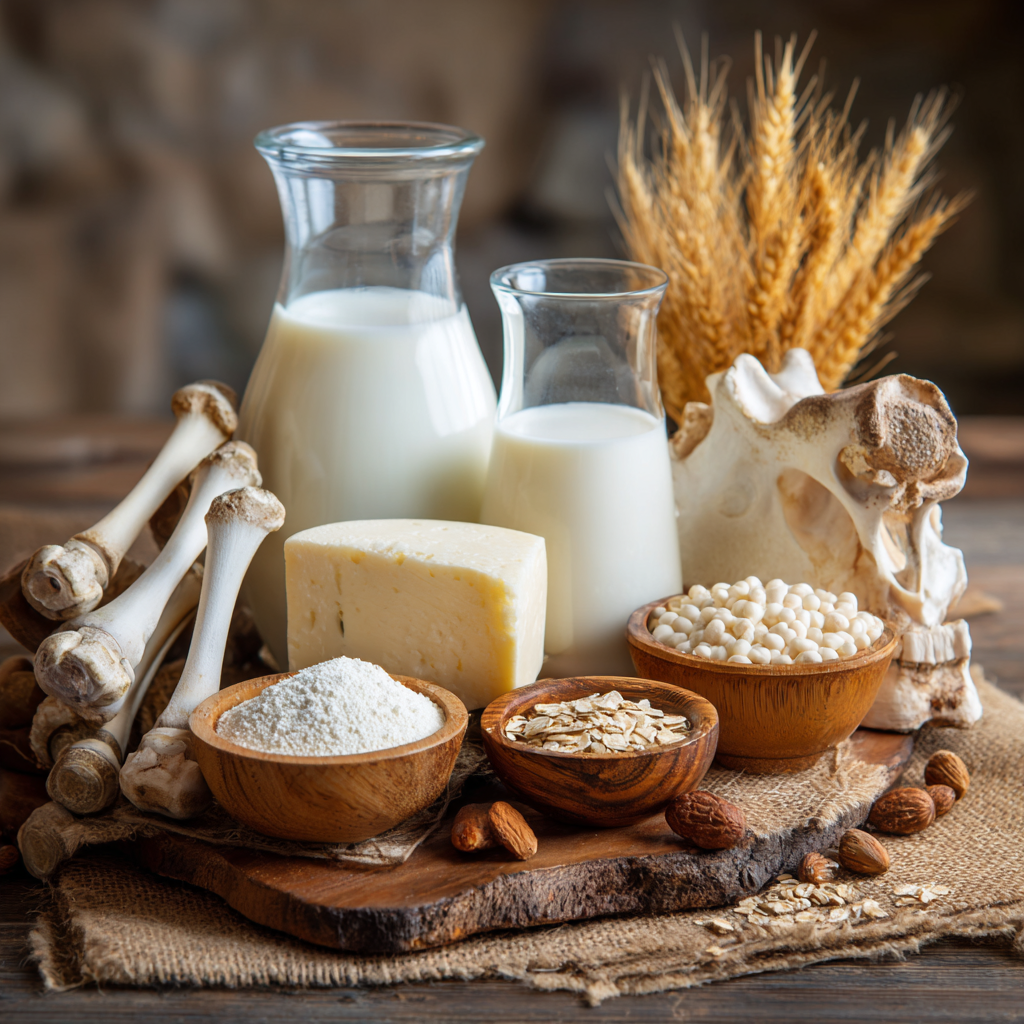
When it comes to building and maintaining strong bones, calcium often takes center stage—and for good reason. This essential mineral plays a critical role in keeping our skeletal system healthy throughout life. From childhood growth spurts to aging gracefully, calcium helps ensure our bones stay dense and resilient, reducing the risk of fractures and osteoporosis. In this article, we’ll explore how calcium supports bone health, why it’s so important at every age, and practical tips for making sure you’re getting enough of this vital nutrient in your diet.
Table of Contents
- The Importance of Calcium in Bone Development and Density
- How Calcium Works with Other Nutrients to Support Bone Health
- Daily Calcium Intake Recommendations for Different Age Groups
- Tips for Incorporating Calcium-Rich Foods into Your Diet
- Closing Remarks
The Importance of Calcium in Bone Development and Density
Calcium plays a pivotal role in shaping the framework of our skeletal system, acting as the foundational mineral that ensures bones remain robust and resilient throughout life. Without adequate calcium, bones lose density over time, becoming fragile and more susceptible to fractures. This mineral not only contributes to the hardness of bones but also supports critical functions such as muscle contraction and nerve transmission, making it indispensable for overall health. Whether during childhood growth spurts or the aging process, maintaining sufficient calcium intake is essential to support bone remodeling—a continuous cycle where old bone is broken down and new bone tissue is formed.
Key benefits of proper calcium intake include:
- Enhancement of bone density to reduce osteoporosis risk
- Assistance in healing fractures and bone injuries
- Support for hormonal regulation that influences bone metabolism
- Promotion of stronger, healthier teeth as part of the skeletal structure
Incorporating calcium-rich foods such as dairy, leafy greens, and fortified products into daily meals, along with adequate vitamin D for optimal absorption, creates the foundation for lifelong bone strength. Remember, strong bones pave the way for an active and independent lifestyle at any age.
How Calcium Works with Other Nutrients to Support Bone Health
Calcium doesn’t work alone when it comes to building and maintaining strong bones. It teams up with several vital nutrients to ensure that your skeletal system remains robust and resistant to fractures. Vitamin D, for instance, plays a crucial role by enhancing calcium absorption in the intestines, making sure the mineral reaches the bones where it’s needed most. Without adequate Vitamin D, even high calcium intake can fall short in effectively strengthening bones. Additionally, magnesium supports calcium metabolism and helps convert Vitamin D into its active form, creating a harmonious balance essential for bone mineralization.
Other nutrients such as vitamin K and phosphorus also contribute significantly to bone health. Vitamin K activates osteocalcin, a protein that binds calcium to the bone matrix, improving bone density and structure. Phosphorus combines with calcium to form hydroxyapatite, the mineral compound that gives bones their rigidity and strength. To optimize bone health, it’s important to maintain a diet rich in these complementary nutrients through foods like leafy greens, nuts, dairy products, and fish, or through supplements as needed.
Daily Calcium Intake Recommendations for Different Age Groups
Calcium needs vary significantly throughout life, reflecting the changing demands of the body as it grows, maintains, and rebuilds bone structure. For children aged 1-3 years, a daily intake of 700 mg supports rapid bone development, while children aged 4-8 benefit from about 1,000 mg. Adolescents, experiencing peak bone mass growth, require higher levels, typically 1,300 mg daily to ensure optimal skeletal strength. Adults aged 19-50 should aim for a consistent intake of 1,000 mg to maintain bone density and prevent demineralization over time.
As we age, calcium absorption efficiency naturally declines, making it crucial for older adults to prioritize adequate consumption. Women over 51 and men over 70 are generally recommended to increase their daily intake to approximately 1,200 mg. This helps counterbalance age-related bone loss and decreases the risk of osteoporosis. For reference, key age-specific recommendations include:
- Infants 0-6 months: 200 mg (adequate intake)
- Children 9-18 years: 1,300 mg (supporting growth spurts)
- Adults 19-50 years: 1,000 mg (maintenance)
- Older adults: 1,200 mg (bone health preservation)
Tips for Incorporating Calcium-Rich Foods into Your Diet
Incorporating calcium-rich foods into your daily meals doesn’t have to be a challenge. Start by focusing on variety and balance. Dairy products like milk, yogurt, and cheese are well-known calcium sources, but don’t overlook plant-based options. Leafy greens such as kale, bok choy, and broccoli pack a hefty calcium punch, and fortified plant-based milks (almond, soy, or oat) can also help boost your intake. Snacking smart is another great strategy; consider munching on almonds or sesame seeds to sneak in extra calcium throughout the day.
To make calcium absorption more effective, pair these foods thoughtfully within your meals. Vitamin D-rich choices like fatty fish or egg yolks enhance calcium uptake, so try combining them with your calcium sources. Additionally, avoid pairing high-calcium foods with substances that block absorption, such as excessive caffeine or high amounts of sodium. Experiment with simple swaps—like adding a handful of leafy greens to your sandwiches or blending fortified milk into your smoothies—to naturally elevate your calcium levels without overhauling your routine.
- Rotate different calcium sources to keep meals interesting and nutrient-rich.
- Include vitamin D and magnesium-rich foods to support calcium metabolism.
- Limit caffeine and salty snacks which can reduce calcium retention.
- Opt for fortified foods if you follow a plant-based or lactose-intolerant diet.
Closing Remarks
Incorporating adequate calcium into your daily routine is a key step toward maintaining strong and healthy bones throughout your life. While calcium alone isn’t the only factor—balanced nutrition, regular exercise, and lifestyle choices all play vital roles—it remains a cornerstone of bone health. By understanding how calcium functions and making mindful choices to support your intake, you can help protect your skeletal system and reduce the risk of bone-related issues down the road. Remember, it’s never too early or too late to prioritize your bone health and give your body the nutrients it needs to stay strong.
Related Products
-
Sale!
Lansinoh Breast Therapy Packs, Hot and Cold Breast…
Mom Original price was: $14.99.$11.97Current price is: $11.97. -
Sale!
WEESO Womens Summer Dresses Loose U Neck Sleeveles…
Clothing Original price was: $12.99.$9.98Current price is: $9.98. -
Bedsure GentleSoft White Throw Blanket for Couch -…
Home $15.99

