


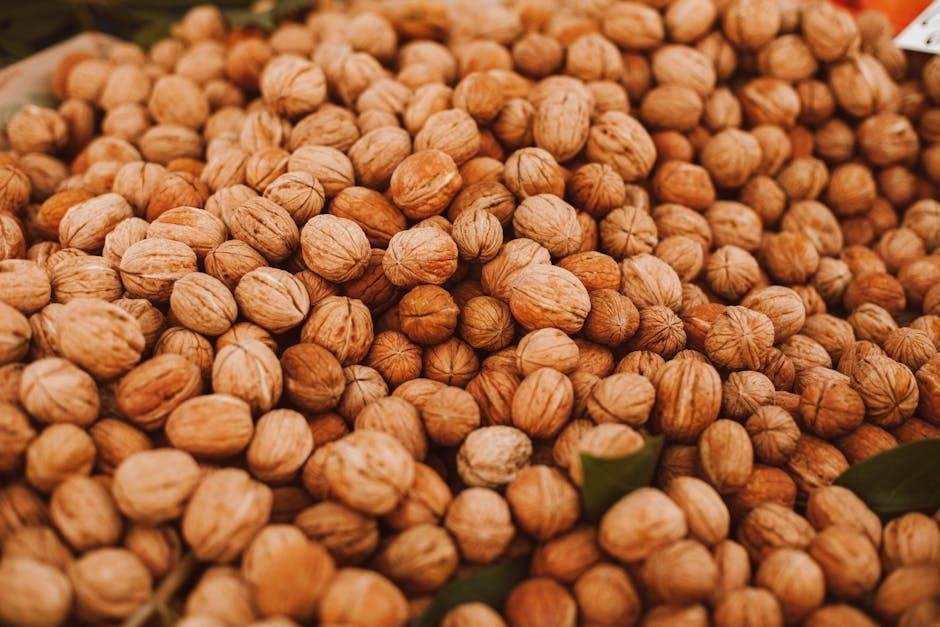
When it comes to nutrition, fats often get a bad rap. Many people associate fat with weight gain and health problems, but the truth is far more nuanced. Healthy fats play a crucial role in our diets, supporting everything from brain function to hormone production. In this article, we’ll explore the different types of fats, why they are essential for your health, and how you can incorporate them into your daily meals without guilt. Whether you’re trying to eat cleaner or just curious about nutrition, understanding the role of healthy fats can help you make more informed choices for a balanced diet.
Table of Contents
- Understanding Different Types of Healthy Fats and Their Benefits
- How Healthy Fats Support Heart and Brain Health
- Incorporating Healthy Fats into Your Daily Meals
- Practical Tips for Choosing and Storing Healthy Fats
- Concluding Remarks
Understanding Different Types of Healthy Fats and Their Benefits
Healthy fats are an essential part of a balanced diet, offering more than just energy. They play a critical role in supporting cell growth, protecting organs, and aiding in the absorption of fat-soluble vitamins such as A, D, E, and K. Among these, monounsaturated fats—found in olive oil, avocados, and nuts—have been linked to improved heart health by helping to lower bad cholesterol levels. Meanwhile, polyunsaturated fats, including omega-3 and omega-6 fatty acids present in fatty fish, flaxseeds, and walnuts, contribute to brain function and may reduce inflammation throughout the body.
Incorporating these fats into your diet doesn’t mean indulging in fried or processed foods rich in unhealthy trans fats. Instead, focus on natural sources that provide diverse benefits:
- Omega-3 Fatty Acids: Support cardiovascular health and cognitive performance.
- Monounsaturated Fats: Help regulate cholesterol and reduce heart disease risk.
- Polyunsaturated Fats: Promote healthy skin and hormonal balance.
Striking the right balance between these healthy fats while limiting saturated and trans fats can empower your body with sustained energy and long-term wellness. Remember, quality matters just as much as quantity when it comes to nourishing your body with fats.
How Healthy Fats Support Heart and Brain Health
Incorporating healthy fats into your diet plays a pivotal role in maintaining optimal heart function. These fats, such as monounsaturated and polyunsaturated fats, help reduce harmful LDL cholesterol levels while boosting the protective HDL cholesterol. This balance supports the integrity of blood vessels and reduces inflammation, which is a key factor in preventing cardiovascular diseases. Foods rich in these fats, like avocados, olive oil, and fatty fish, work naturally to keep your arteries flexible and your blood pressure in check, laying the groundwork for a stronger heart.
Beyond the heart, healthy fats are essential for brain health and cognitive function. The brain is nearly 60% fat, and consuming omega-3 fatty acids helps maintain the structure and fluidity of brain cell membranes, enhancing communication between neurons. These fats contribute to better memory, mood regulation, and may even protect against age-related decline. Adding sources such as walnuts, flaxseeds, and chia seeds into your meals ensures your brain gets the nourishment needed to thrive, supporting both mental clarity and emotional well-being.
- Reduces inflammation that can damage heart and brain tissue
- Supports healthy cholesterol by lowering LDL and increasing HDL
- Enhances cognitive functions like memory and concentration
- Provides essential fatty acids your body cannot synthesize
Incorporating Healthy Fats into Your Daily Meals
Integrating healthy fats seamlessly into your meals can be both simple and delicious. Start by swapping out butter with extra virgin olive oil for sautéing vegetables or drizzling over salads. Nuts and seeds such as walnuts, chia seeds, and flaxseeds not only introduce a satisfying crunch but also pack a punch of omega-3 fatty acids. Avocado is another versatile choice—it enhances smoothies, sandwiches, or toast with creamy texture and beneficial monounsaturated fats. These small changes can significantly elevate your nutrient intake without compromising flavor.
Consider building your meals around whole, unprocessed sources of fat for optimal health benefits. Include fatty fish like salmon or mackerel a couple of times a week to boost your intake of EPA and DHA, the most bioavailable forms of omega-3s. For plant-based options, incorporate nut butters or a sprinkle of hemp seeds to add richness. Here are a few practical ideas to get you started:
- Mix sliced avocado into your morning eggs or grain bowls.
- Top oatmeal or yogurt with nuts and seeds for sustained energy.
- Replace creamy dressings with homemade vinaigrettes using olive or avocado oil.
- Snacks like roasted chickpeas or trail mix made with mixed nuts offer a healthy fat boost on the go.
Practical Tips for Choosing and Storing Healthy Fats
When incorporating healthy fats into your diet, it’s important to choose sources that are minimally processed to retain their nutritional benefits. Opt for whole food options like avocados, nuts, seeds, olives, and fatty fish, which are rich in omega-3 and omega-6 fatty acids. Avoid fats that contain trans fats or excessive amounts of saturated fat by steering clear of highly processed snack foods and fried items. Additionally, consider the cooking methods; use fats like extra virgin olive oil for low to medium-heat cooking, and reserve oils with higher smoke points like avocado or refined coconut oil for frying or sautéing.
Proper storage is key to maintaining the quality and health benefits of your fats. Many healthy oils are sensitive to light, heat, and air, which can lead to rancidity and loss of nutrients. Store oils in dark-colored, airtight containers and keep them in a cool, dark place away from your stove or windows. Nuts and seeds should be kept in sealed containers, preferably refrigerated or frozen if you buy in bulk. This not only extends their shelf life but also preserves their flavor and nutrient profile.
- Choose cold-pressed or extra virgin oils for a richer nutrient profile.
- Read labels carefully to avoid hidden trans fats or hydrogenated oils.
- Buy nuts and seeds in small batches to ensure freshness.
- Rotate your fats to enjoy a variety of nutrients and flavors.
Concluding Remarks
Incorporating healthy fats into your diet is more than just a smart choice—it’s essential for overall well-being. From supporting brain function to promoting heart health, these nutrients play a vital role in keeping your body functioning at its best. By understanding the different types of fats and making mindful food choices, you can enjoy the benefits of healthy fats without overdoing it. Remember, balance is key, and when included as part of a varied diet, healthy fats are an important piece of the nutrition puzzle. Here’s to nourishing your body with the fats it truly needs!
Related Products
-
The Honey Pot Company – Herbal Postpartum Pads w/W…
Mom $8.88 -
Sale!
COOFANDY Men 2 Piece Linen Outfit Beach Button Dow…
Clothing Original price was: $54.99.$44.99Current price is: $44.99. -
Birthday Gifts for Women, Mom, Wife, Girlfriend, S…
Mom $25.99


