


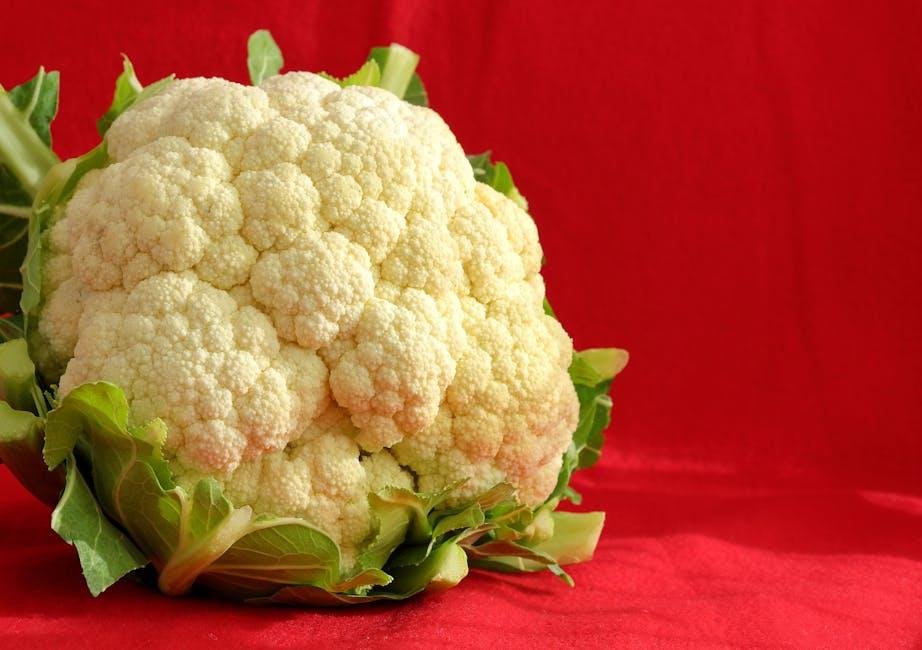
When it comes to maintaining a healthy digestive system, few dietary choices are as effective as increasing your fiber intake. A high-fiber diet is often recommended by nutritionists and healthcare professionals for its ability to support digestion and overall wellbeing. But what exactly makes fiber so beneficial? In this article, we’ll explore the top benefits of a high-fiber diet and how it can help keep your digestive system running smoothly. Whether you’re looking to improve digestion, prevent common digestive issues, or simply adopt healthier eating habits, understanding the role of fiber is an essential first step.
Table of Contents
- Understanding How Fiber Supports Gut Health
- The Role of Soluble and Insoluble Fiber in Digestion
- Incorporating Fiber-Rich Foods into Your Daily Meals
- Practical Tips for Increasing Fiber Intake Safely
- Insights and Conclusions
Understanding How Fiber Supports Gut Health
Dietary fiber plays a crucial role in nurturing a balanced and thriving gut environment. It acts as a prebiotic, serving as nourishment for the beneficial bacteria residing in the digestive tract. When these microbes ferment fiber, they produce short-chain fatty acids such as butyrate, acetate, and propionate—compounds that are essential for maintaining the integrity of the gut lining and reducing inflammation. This fermentation process not only supports a robust immune system but also contributes to regular bowel movements, preventing common issues like constipation.
In addition to promoting microbial health, fiber provides several other benefits for digestive function:
- Enhances stool bulk, which facilitates easier passage through the intestines.
- Helps regulate blood sugar levels by slowing carbohydrate absorption.
- Assists in maintaining a healthy weight by increasing feelings of fullness.
- May reduce the risk of developing gastrointestinal disorders such as diverticulitis and colorectal cancer.
Incorporating a variety of fiber-rich foods like fruits, vegetables, whole grains, and legumes can significantly improve overall gut health, making it a cornerstone of digestive wellness.
The Role of Soluble and Insoluble Fiber in Digestion
Fiber plays a crucial role in maintaining a balanced digestive system, and it’s important to understand that not all fiber acts the same way in the body. Soluble fiber dissolves in water to form a gel-like substance, which helps to slow down digestion. This property is especially beneficial in regulating blood sugar levels and lowering cholesterol. Foods high in soluble fiber, such as oats, beans, and fruits like apples and oranges, support the growth of healthy gut bacteria by acting as prebiotics, enhancing overall gut health.
On the other hand, insoluble fiber adds bulk to the stool and accelerates the movement of waste through the digestive tract. This type of fiber is found in whole grains, nuts, and many vegetables like cauliflower and green beans. It is instrumental in preventing constipation and promoting regular bowel movements. By combining these two types of fiber in your diet, you can create a balanced digestive environment that supports nutrient absorption, reduces the risk of digestive disorders, and keeps your system running smoothly.
- Soluble fiber: Slows digestion, lowers cholesterol, feeds gut bacteria.
- Insoluble fiber: Adds stool bulk, prevents constipation, improves regularity.
Incorporating Fiber-Rich Foods into Your Daily Meals
Adding more fiber to your diet doesn’t have to be complicated. Start by incorporating a variety of whole foods that naturally boost your fiber intake. Consider including fresh fruits, vegetables, whole grains, and legumes into your meals. For example, swap out white bread for whole-grain alternatives or add a handful of nuts and seeds to your morning yogurt. Simple swaps like these can make a big difference in reaching your daily fiber goals.
Meal planning can be a valuable tool to ensure you’re consistently consuming fiber-rich foods. Try preparing dishes that combine multiple fiber sources, such as a quinoa salad loaded with beans, chopped vegetables, and a drizzle of olive oil. Don’t forget snacks—popcorn, fruit slices, and trail mix are all fiber-friendly options. Remember, gradual changes and variety are key to helping your digestive system adjust comfortably.
- Berries: Raspberries, blackberries, and strawberries
- Leafy greens: Spinach, kale, and Swiss chard
- Whole grains: Brown rice, oats, and barley
- Legumes: Lentils, chickpeas, and black beans
- Seeds: Chia, flaxseeds, and pumpkin seeds
Practical Tips for Increasing Fiber Intake Safely
Introducing fiber into your diet can be a game-changer for digestion, but it’s essential to do so thoughtfully to avoid discomfort. Start by gradually increasing your daily fiber intake over a few weeks. This slow introduction allows your digestive system to adjust, reducing the likelihood of bloating or gas. Incorporate a variety of fiber-rich foods such as fresh fruits, vegetables, whole grains, and legumes rather than relying on supplements alone. This variety not only enhances nutrient intake but also supports gut health through diverse fiber types.
Equally important is staying well-hydrated. Fiber works best when paired with sufficient water consumption, which helps to soften stools and promotes smooth transit through the digestive tract. Aim to drink at least 8 glasses of water a day, especially when increasing fiber. Additionally, consider the following practical approaches:
- Swap refined grains for whole-grain alternatives like brown rice, quinoa, or whole-wheat bread.
- Snack smart by choosing options like nuts, seeds, or raw veggies with hummus.
- Incorporate legumes like lentils or chickpeas into soups and salads regularly.
Insights and Conclusions
Incorporating a high-fiber diet into your daily routine offers a range of benefits that support healthy digestion and overall well-being. From promoting regular bowel movements to fostering a balanced gut microbiome, fiber plays a crucial role in maintaining digestive health. By making simple dietary changes and choosing fiber-rich foods, you can enjoy these advantages and take proactive steps toward a healthier lifestyle. Remember, as with any dietary adjustment, it’s always a good idea to consult with a healthcare professional to ensure it fits your individual needs. Here’s to a happier, healthier digestive system!
Related Products
-
Mattel KerPlunk Kids Game, Easy-to-Learn Family Ga…
Kids $18.99 -
The Honey Pot Company – Herbal Postpartum Pads w/W…
Mom $8.88 -
Sale!
COOFANDY Men 2 Piece Linen Outfit Beach Button Dow…
Clothing Original price was: $54.99.$44.99Current price is: $44.99.


